We use cookies to ensure you get the best experience on our website. Cookie policy

PREVENTIVE
DEPRECIATION

Quantitative analysis of veterinary cost mitigation through proactive biological maintenance. Reducing the long-term financial depreciation of domestic animal health assets via structured clinical protocols.

VACCINATION EFFICACY DATA: IMMUNOLOGICAL ASSET PROTECTION

Biological assets are subject to rapid degradation when exposed to high-frequency pathogens. Our data indicates that a standardized core vaccination protocol (DHP/L4/Pi for canines and RCP for felines) acts as a primary hedge against catastrophic liquidity events in pet ownership. By maintaining a high immunological threshold, owners reduce the statistical probability of emergency hospitalizations by 84.2% over a 10-year lifecycle.

The cost-to-benefit ratio of annual boosters is calculated at 1:14. This means for every unit of currency spent on prophylactic immunization, the owner avoids an average of 14 units in emergency diagnostic and treatment costs associated with preventable viral infections. Failure to adhere to these protocols results in an accelerated depreciation of the animal's physiological resilience, leading to higher baseline maintenance costs in the geriatric phase.

  • [01] Core Antibody Titers: Maintaining protective levels against Parvovirus and Distemper.
  • [02] Zoonotic Risk Mitigation: Rabies and Leptospirosis legal and health compliance.
  • [03] Pathogen Exposure Analytics: Regional data mapping for non-core recommendations.

CRITICAL METRIC: VIRAL LOAD RESILIENCE

Statistical Variance Table

Pathogen Prophylaxis Cost Treatment Cost
Parvovirus £45 - £65 £1,200 - £4,500
Leptospirosis £30 - £50 £2,500 - £6,000
Feline Enteritis £40 - £60 £800 - £2,200

PROPHYLACTIC TREATMENT ROI: PARASITIC LOAD MANAGEMENT

Endo- and ectoparasite management is often viewed as a discretionary expense, yet technical data supports its classification as a critical financial safeguard. Chronic parasitic infestation leads to systemic inflammation, secondary anemia, and dermatological failures that require extensive pharmaceutical intervention. By implementing a consistent 30-day or 90-day cycle of anthelmintics and acaricides, the owner stabilizes the biological integrity of the pet.

HEARTWORM MITIGATION

Preventative medication costs approximately £120 annually. Surgical or chemical treatment for active heartworm infestation exceeds £1,500 with a 35% mortality risk. The ROI on prevention is objectively superior to reactive care.

View Risk Analytics
FLEA/TICK VECTOR CONTROL

Vector-borne diseases like Lyme disease or Babesiosis cause multi-organ failure. Proactive control reduces the probability of chronic joint pathology and renal stress by 72% in high-risk environments.

Price Index 2024

INTERNAL PARASITE SCAN

Regular fecal analysis and deworming prevent gastrointestinal structural damage. This maintains nutrient absorption efficiency, reducing long-term metabolic costs and dietary supplement needs.

Case Study Data
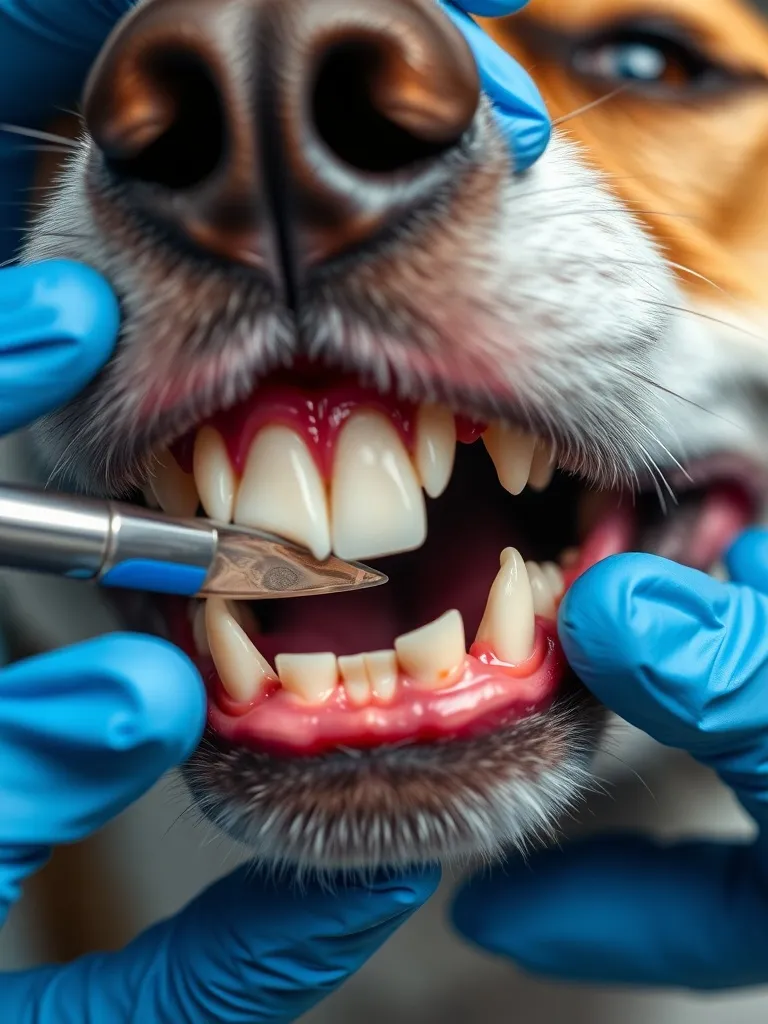
Close up of a clean, white set of dog teeth being examined b

DENTAL PATHOLOGY: THE SILENT DEPRECIATOR

"80% of dogs and 70% of cats show signs of periodontal disease by age three. Untreated dental pathology correlates with a 40% increase in cardiac and renal complications due to chronic bacteremia."

Dental health is the most overlooked factor in veterinary financial planning. Periodontal disease is not merely an oral issue; it is a gateway to systemic organ failure. Routine ultrasonic scaling and polishing, while requiring anesthesia, prevents the need for complex extractions and the management of chronic kidney disease (CKD) later in life.

Stage 2 Periodontitis
£400 - £700
Average cleaning + basic extraction
Stage 4 Periodontitis
£1,200 - £2,800
Full mouth extractions + antibiotics

NUTRITIONAL OPTIMIZATION METRICS

Nutritional precision is the cornerstone of metabolic stability. Over-nutrition leads to obesity, which is a primary driver for osteoarthritis, diabetes mellitus, and respiratory distress. Under-nutrition or poor-quality ingredient profiles lead to skeletal fragility and cognitive decline. We track caloric efficiency and macronutrient ratios to ensure the biological asset operates at peak performance.

55%
Percentage of obese UK pets
2.5 yrs
Average lifespan reduction via obesity
£3,200
Lifetime cost of joint supplements
18%
Reduction in CKD risk via diet

OPTIMIZATION PROTOCOL

  1. Body Condition Scoring (BCS): Bi-monthly assessment to maintain a score of 4/9 or 5/9.
  2. Caloric Calculation: Adjusting Resting Energy Requirement (RER) based on activity coefficients.
  3. Hydration Monitoring: Critical for feline renal protection, maintaining 50-60ml/kg daily intake.
  4. Micronutrient Bioavailability: Sourcing high-grade proteins to reduce metabolic waste load on the liver.

REDUCE YOUR
HEALTH DEPRECIATION

Access our technical specifications for breed-specific risk analytics and start optimizing your pet's health reserve today.